Why Japanese Eye Drops Are a Must-Have for Tired, Dry Eyes
Japanese eye drops are popular for people with tired, dry, or irritated eyes. Many users choose them for screen time, air-conditioned rooms, contact lens discomfort, and daily eye care. In this guide, we explain what makes Japanese eye drops different, how to choose the right type, and which brands are popular in Japan.
What Makes Japanese Eye Drops Different?
First things first: Japanese eye drops aren’t your average drugstore variety. In Japan, eye drops are classified as pharmaceutical products, not just cosmetics, which means they’re held to stricter quality standards, undergo more rigorous testing, and contain higher concentrations of active ingredients than many Western alternatives. This focus on pharmaceutical-grade formulation is what makes them so effective—they’re designed to treat specific eye issues, not just mask symptoms.
Another standout feature is their specialized formulas. Unlike one-size-fits-all eye drops, Japanese brands create targeted solutions for every eye concern: dryness, digital eye strain, redness, allergies, contact lens discomfort, and even age-related eye issues. Whether you’re a student cramming for exams, a professional glued to a computer, or someone who wears contact lenses daily, there’s a Japanese eye drop tailored just for you.
And let’s not forget the iconic cooling sensation. Brands like Rohto pioneered a proprietary cooling system using menthol, with different products rated on a cooling scale (from 0 to 8+) so you can choose how refreshing you want the experience to be. This cooling effect isn’t just a gimmick—it instantly soothes irritation, reduces redness, and gives your eyes a much-needed wake-up call, making them perfect for midday slumps or post-screen fatigue.
Popular Types of Japanese Eye Drops (and Who They’re For)
With so many options available, it’s easy to find the perfect fit for your eye needs. Here are the most common types, broken down by concern:
1. Dry Eye Relief Drops
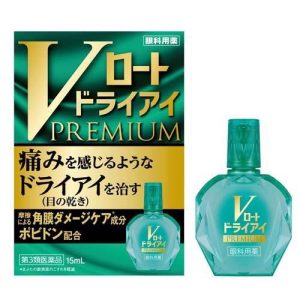
Dry eyes are a universal struggle, especially with constant screen use and air conditioning. Japanese dry eye drops are formulated with hydrating ingredients like sodium hyaluronate, chondroitin sulfate sodium, and artificial tears to lock in moisture and repair the eye’s natural tear film. They’re gentle enough for daily use and won’t leave a greasy residue. Look for options with a low cooling rating (1-2) if you have sensitive eyes—Rohto’s Green Premium line is a fan favorite for its ultra-gentle hydration.
2. Eye Fatigue & Digital Strain Drops
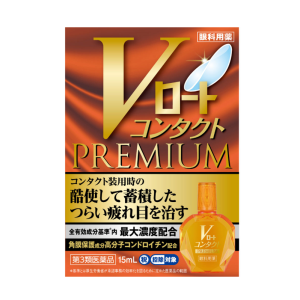
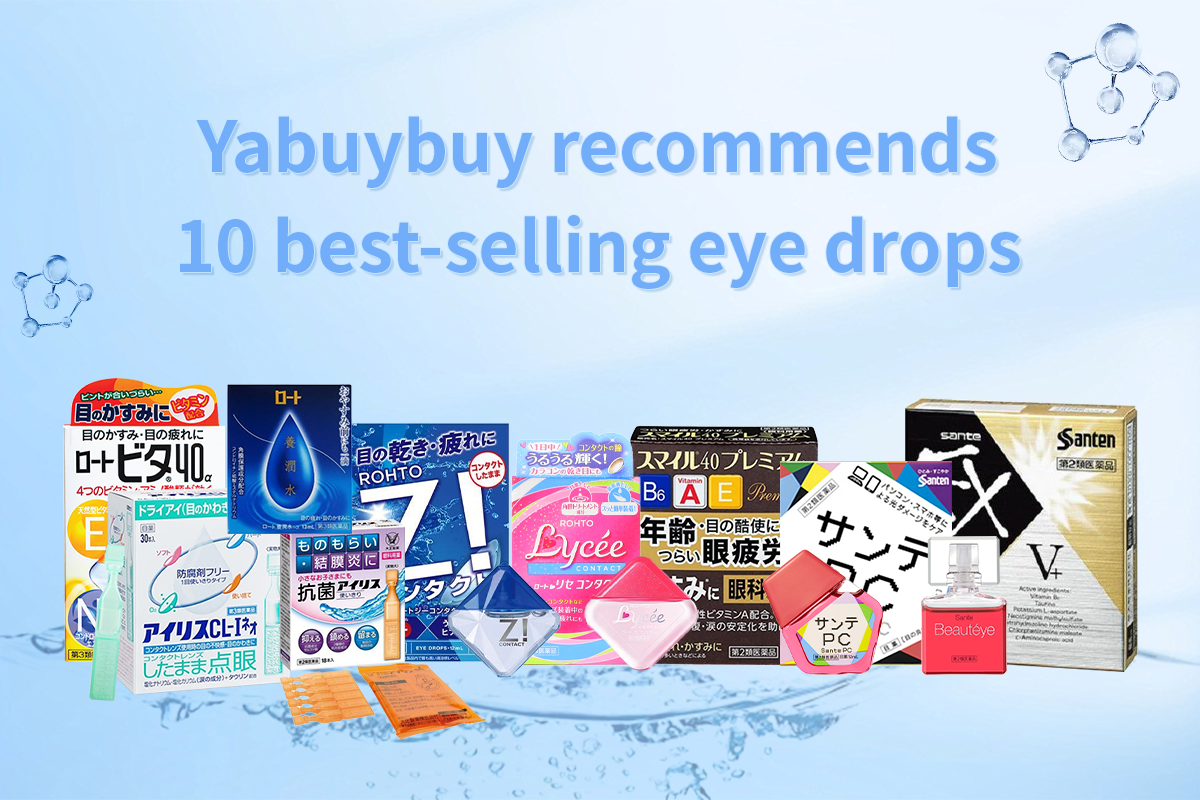
If your eyes feel tired, blurry, or strained after hours of scrolling or working, these drops are your new best friend. They contain ingredients like vitamin B6, vitamin B12, and neostigmine methylsulfate to support eye muscle function, improve focus, and reduce fatigue caused by prolonged screen time. Many also have a moderate cooling effect (3-5) to refresh tired eyes without being overwhelming. Rohto’s Gold40 series is perfect for this—its 6 active ingredients help restore eye vitality, making it a go-to for busy professionals.
3. Redness-Reducing Drops
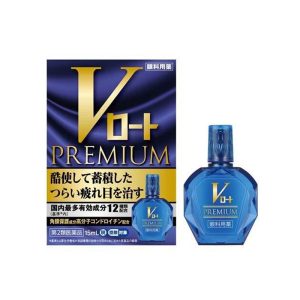
Whether from lack of sleep, allergies, or irritation, red eyes can make you look tired and unwell. Japanese redness-reducing drops use ingredients like naphazoline hydrochloride (a vasoconstrictor) or anti-inflammatory compounds to shrink blood vessels and calm irritation quickly. The iconic Rohto FX NEO is a classic choice here—with a cooling rating of 5, it delivers an instant refresh and reduces redness in seconds, making it ideal for late nights or busy mornings.
4. Contact Lens-Friendly Drops
If you wear contacts, you can also browse our Contact Lenses category for daily, weekly, and monthly options.
/product-category/contact-lenses/
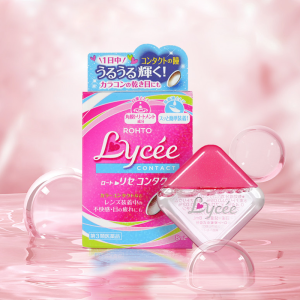
Wearing contact lenses can cause dryness, irritation, and discomfort—but Japanese brands have solved this with specialized drops safe for both soft and hard lenses. These drops are formulated to not damage lens material and provide long-lasting hydration without causing cloudiness. Rohto Lycee and Rohto Z! Contact are top picks—they’re designed to be used while wearing lenses, so you can soothe discomfort on the go. Just note that some drops aren’t compatible with colored contact lenses, so always check the label.
5. Anti-Allergy & Age-Specific Drops
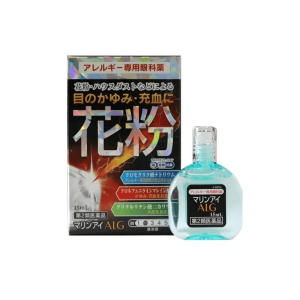
For allergy sufferers, Japanese eye drops with antihistamines target itchiness and redness caused by pollen, dust, or pet dander. For those 40+, age-specific drops (like Rohto Premium Kasumi) contain ingredients to support weakened eye muscles, boost tear production, and reduce sensitivity—addressing age-related concerns like blurred vision and dryness.
Top Japanese Eye Drop Brands to Try
Not all Japanese eye drops are created equal—here are the most trusted brands that consistently deliver quality and effectiveness:
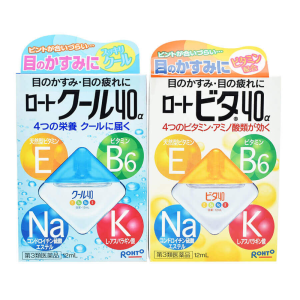
Rohto: The OG of Japanese eye drops, Rohto has been around since 1899 and is a household name in Japan. From the cooling FX series to the gentle hydration of the Premium line, Rohto offers something for every need. Their drops are known for their precise formulations and long-lasting effects—my personal favorite is the Rohto V Premium Purple, which relieves age-related fatigue and dryness with a subtle cooling sensation.
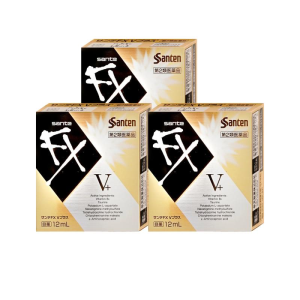
Santen: A close second to Rohto, Santen is a pharmaceutical brand with decades of clinical research behind its formulas. Their Medical Guard EX line is perfect for corneal repair, while the FX V Plus offers the brand’s strongest cooling effect (and high concentrations of vitamin B6) for instant提神. Santen’s drops are ideal for those with sensitive eyes or more severe eye concerns.
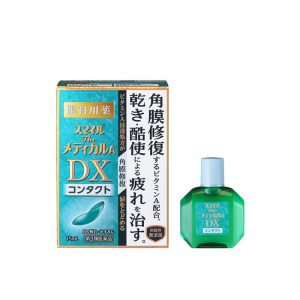
Lion: Lion’s Smile 40 series is a favorite for its vitamin-rich formulations, which nourish the eyes and reduce fatigue. Their drops are gentle, affordable, and great for daily use—perfect for beginners just starting to explore Japanese eye drops.
You may also like our Japanese beauty and daily care selections at Yabuybuy.
How to Choose the Right Japanese Eye Drops
With so many options, it’s easy to feel overwhelmed—but follow these tips to find your perfect match:
Identify Your Primary Concern: Start by figuring out what’s bothering your eyes—dryness, fatigue, redness, or contact lens discomfort. Choose a drop formulated specifically for that issue to get the best results.
Consider the Cooling Level: If you hate strong cooling sensations, stick to drops with a rating of 1-3. If you love that refreshing tingle, go for 4-8+ (great for post-screen fatigue or late nights).
Check for Contact Lens Compatibility: If you wear contacts, always look for drops labeled “contact lens-friendly.” Some drops can damage lenses or cause irritation if used incorrectly.
Prioritize Safety: Buy from reputable retailers to avoid counterfeits. In Japan, you need a prescription from an ophthalmologist to buy certain eye drops, which ensures they’re safe for your eyes. Even internationally, look for brands that follow Japanese pharmaceutical standards.
Important Safety Tips for Using Japanese Eye Drops
While Japanese eye drops are safe when used correctly, there are a few rules to follow to protect your eye health:
Do not overuse—follow the recommended dosage (usually 1-3 drops, 5-6 times a day). Overuse can cause excessive brightness or even worsen redness.
For general eye drop safety information, you can also review guidance from the American Academy of Ophthalmology or your local eye care professional.
https://www.aao.org/eye-health/treatments/how-to-put-in-eye-drops
Never let the tip of the bottle touch your eyes, eyelids, or eyelashes—this can contaminate the solution with bacteria. If the drops become cloudy, stop using them immediately.
If you experience irritation, redness, or swelling after use, stop using the drops and consult a doctor or pharmacist—this could be an adverse reaction.
Keep drops out of reach of children, and store them in a cool, dark place (avoid hot cars or direct sunlight).
If you’re pregnant, nursing, or have a pre-existing eye condition (like glaucoma), consult a professional before using any eye drops.
Final Thoughts on Japanese Eye Drops
Japanese eye drops aren’t just a trend—they’re a testament to Japan’s commitment to quality, innovation, and targeted care. Unlike generic eye drops that offer one-size-fits-all relief, Japanese formulas are designed to address specific eye concerns with pharmaceutical-grade ingredients, ensuring they’re effective and safe for daily use. Whether you’re dealing with dryness, fatigue, or contact lens discomfort, there’s a Japanese eye drop that will make a noticeable difference in your eye health.
If you haven’t tried Japanese eye drops yet, I highly recommend picking one that fits your needs—start with a gentle, low-cooling option if you’re new, and work your way up. Trust me, once you experience that instant refresh and long-lasting relief, you’ll never go back to regular eye drops.
For more product guides, visit our Blog or explore selected Japanese daily care items.
/product-category/care/health-care/
Have you tried any Japanese eye drops? Let me know your favorite brand or formula in the comments—I’d love to hear your thoughts!