
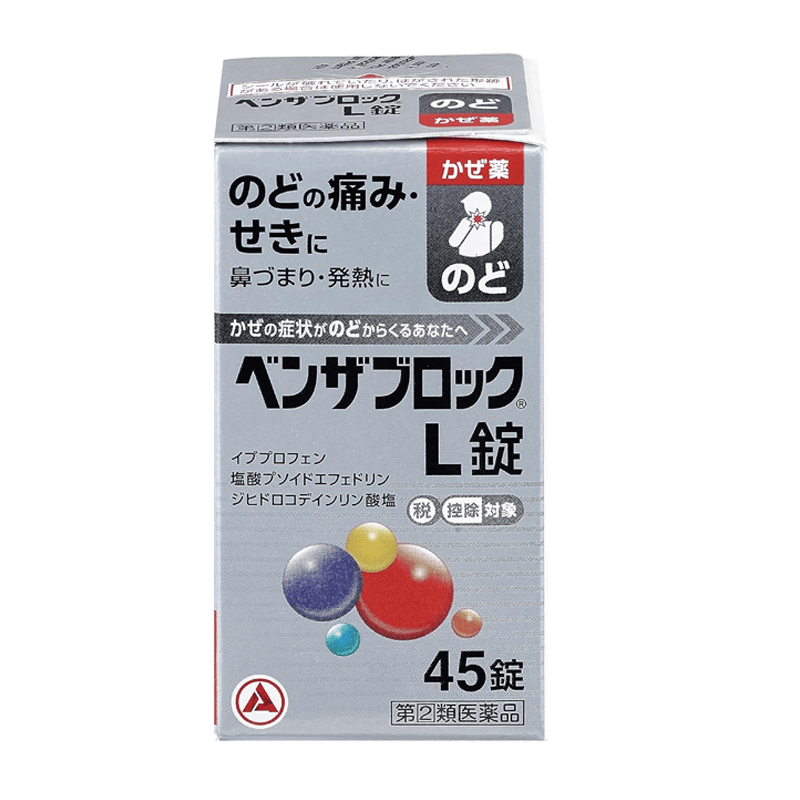
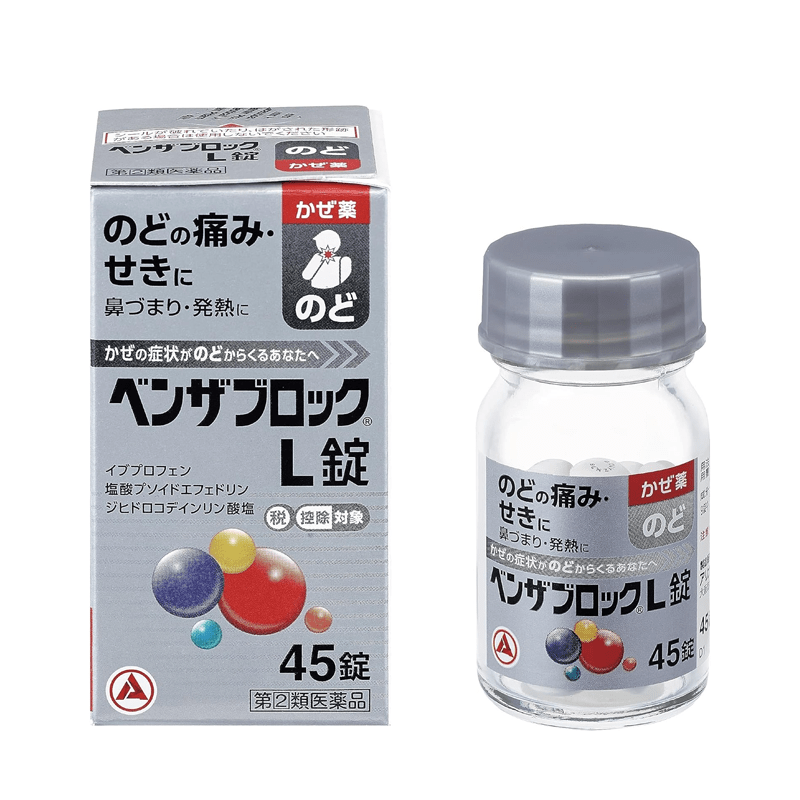
Alinamin Cold Medicine 45 tablets
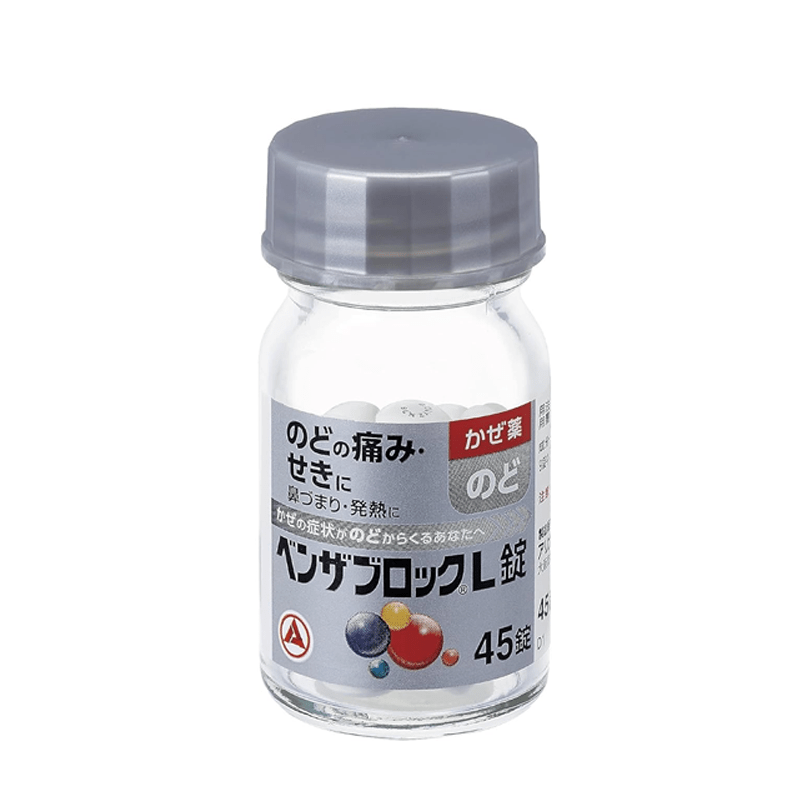
Description
Storage
Store in a cool, dry place away from direct sunlight, tightly closed.
Keep out of reach of children.
Do not transfer to another container (risk of misuse or quality change).
Discard packaging material inside the bottle after opening (used to prevent tablet damage during transport).
Always close the bottle cap tightly after use (prevents moisture and quality change).
Do not use past the expiration date.
Record the opening date on the box/bottle.
Once opened, use within 6 months for best quality.
Precautions:
(Not following these instructions may worsen current symptoms or increase risk of side effects or accidents.)
The following people should not take this medicine:
Anyone who has experienced allergic reactions to this medicine or any of its ingredients.
Anyone who has had asthma triggered by this medicine or other cold/fever medicines or analgesics.
Children under 15 years old.
Pregnant women within 12 weeks of their due date.
Those with symptoms of difficulty urinating due to prostate enlargement.
Those diagnosed with high blood pressure, heart disease, thyroid disorders, or diabetes.
Do not use the following medicines while taking this product:
Other cold medicines, fever/analgesics, sedatives, cough suppressants/expectorants, or oral medications containing antihistamines (e.g., for rhinitis, motion sickness, allergies, or sleep aids).
Do not drive or operate machinery after taking this medicine, as drowsiness may occur.
Nursing mothers should avoid taking this medicine or avoid breastfeeding if taking it.
Do not drink alcohol before or after taking this medicine.
Consult a doctor or pharmacist if:
The following applies to you:
You are currently under treatment by a physician or dentist.
You are pregnant or suspect you may be pregnant.
You are elderly.
You have experienced allergies to medications.
You have a high fever or difficulty urinating.
You have been diagnosed with liver disease, kidney disease, glaucoma, systemic lupus erythematosus, mixed connective tissue disease, respiratory impairment, obstructive sleep apnea, or obesity.
You have a history of stomach/duodenal ulcer, ulcerative colitis, or Crohn’s disease.
You are being treated with monoamine oxidase inhibitors (e.g., selegiline).
You have previously experienced insomnia, dizziness, weakness, tremors, or palpitations from cold medicines, cough/expectorants, or rhinitis medications.
Stop taking the medicine immediately and consult a doctor or pharmacist if any of the following occur, as they may indicate side effects:
Affected System → Symptoms
Skin: Rash, redness, itching, bruising
Digestive: Nausea, vomiting, loss of appetite, stomach discomfort, stomach pain, mouth ulcers, heartburn, bloating, gastrointestinal bleeding, diarrhea, bloody stools
Nervous system: Dizziness, insomnia, irritability, convulsions
Circulatory: Palpitations
Respiratory: Shortness of breath
Urinary: Difficulty urinating
Other: Swelling, facial flushing, hot flashes, blurred vision, tinnitus, nosebleeds, bleeding gums, prolonged bleeding, back pain, excessive body temperature drop, fatigue
Rare but serious reactions: Seek medical attention immediately:
Anaphylactic shock: Itchy skin, hives, hoarse voice, sneezing, throat itchiness, difficulty breathing, palpitations, confusion immediately after taking
Severe skin reactions (Stevens-Johnson Syndrome, toxic epidermal necrolysis, acute generalized exanthematous pustulosis): High fever, red eyes, eye discharge, lip sores, throat pain, widespread rash or redness, small pustules, fatigue, loss of appetite, rapidly worsening symptoms
Liver dysfunction: Fever, itching, rash, jaundice, dark urine, fatigue, loss of appetite
Kidney dysfunction: Fever, rash, reduced urine, swelling, fatigue, joint pain, diarrhea
Aseptic meningitis: Severe headache with neck stiffness, fever, nausea/vomiting (especially in patients with lupus or mixed connective tissue disease)
Interstitial pneumonia: Shortness of breath, difficulty breathing, dry cough, fever
Asthma: Wheezing, difficulty breathing
Aplastic anemia: Bruising, nosebleeds, bleeding gums, pale skin, fatigue, palpitations, shortness of breath, dizziness, hematuria
Agranulocytosis: Sudden high fever, chills, sore throat
Respiratory depression: Shortness of breath
Symptoms such as constipation, dry mouth, or drowsiness may appear. If they persist or worsen, stop taking the medicine and consult a doctor or pharmacist.
If symptoms do not improve after 5–6 doses, especially if fever lasts more than 3 days or recurs, stop taking the medicine and consult a doctor or pharmacist.
Quantity: 45 tablets
Add to WishlistAlready In Wishlist
Add to Wishlist



Reviews
There are no reviews yet.